
COCORO soundtrack: Signal and BGM
Opening, ending, and how the score sits in a linear visual novel.
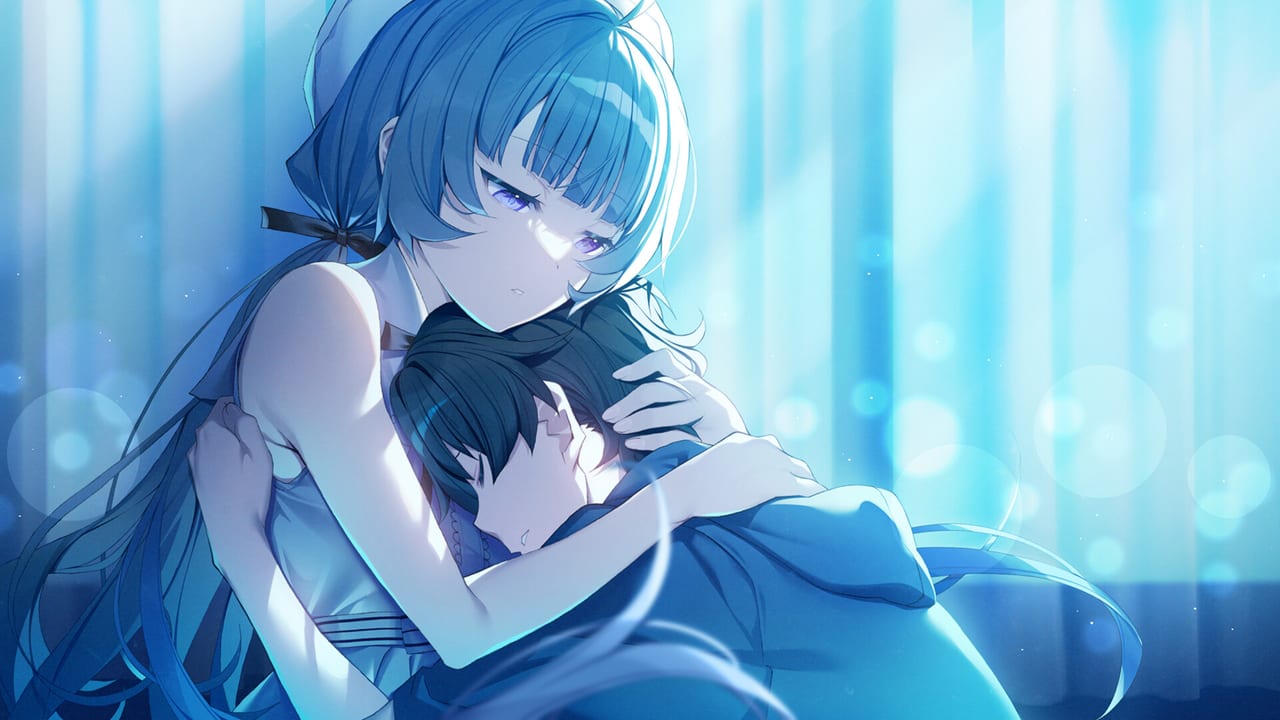
COCORO treats music as furniture for one summer, not as a route-select jukebox. Frontwing developed the novel; Frontwing USA and GOOD SMILE COMPANY published it on 27 August 2026 JST (Steam lists 26 August in some regions). The product is linear, single-player, and built around one heroine. A score in that shape has a narrow job: sit under a botanical garden, a ruined city, and a prototype who wants to be human, then get out of the way of the text box. This page is the listening guide. It is not a leaked OST catalog, not a lyric spoiler sheet, and not a Roblox playlist.
Public credits are short and consistent. Fuminori Matsumoto composed the music. The opening theme is “Signal,” performed by Runa Mizutani of NanosizeMir, with lyrics by Yoshikazu Kuwashima. The ending is sung by Hina Youmiya, who also voices Cocoro (CCR-01). If you want a buying-minded take on whether that mix works for five hours, read the spoiler-aware COCORO review. If you have not installed yet, use the first-hour setup guide so skip, volume, and language are not fighting the song.
Opening theme: Signal
The official opening movie is the clip this article embeds — Frontwing’s YouTube upload, ID NkFtZRQE2TU. This wiki does not invent extra video IDs and does not stack a second player underneath. Watch it as a tone check before you spend $24.90, or as a reread after the credits. On a first boot it is also the first thing the title screen will try to play.
“Signal” is a produced OP, not a placeholder loop. Mizutani’s NanosizeMir credit is the vocal identity. Kuwashima wrote the words. Matsumoto wrote the music that then continues into the in-game beds. In a kinetic-ish visual novel the opening is often the only lyrical trailer you get. Listen once. After that, skip from the title is a reread tool, not a missing-content flag.
The movie is still marketing. Garden light, summer clothes, and the public pitch: Hinata comes home, Cocoro waits. It does not name endings and it does not publish a track list. If a line of lyric feels heavy, treat it as packaging. The novel still has to earn the last hour, and this page will not recap that hour.
Ending theme: Hina Youmiya as Cocoro
Youmiya voices the heroine and performs the ending. That double credit is worth a sentence and is not a secret route condition. For most of the runtime you hear her as CCR-01 against an unvoiced Mitsumine Hinata. Over the credits you hear her again, this time as a song. Official promotion is explicit that she sings the ending in character.
This wiki will not transcribe those lyrics, guess an English song title Frontwing has not printed in the sources we track, or claim the credits theme “confirms” a finale. Finish the book, then listen. Because the story is linear, there is no published “true-end arrangement” of the ending for us to catalog. One heroine. One summer. One closing performance unless the studio later documents otherwise.
If you arrived from Cocoro’s profile, you already know she is the load-bearing voice. The ending is that voice wearing a melody. It is not a second heroine’s insert song, and it is not a trophy named after a track.
BGM: Fuminori Matsumoto
Matsumoto’s wider credits include Wonderful Everyday. That is a composer signal, not a content-rating copy-paste. COCORO is an all-ages Frontwing novel with moderate violence, romance, a swimsuit and kiss, and occasional swearing. It is not that earlier title. What carries over is a writer of cues who can stay quiet in a greenhouse and still hold a city wrecked by an AI disaster.
A linear visual novel cannot split the score into “Kazane route piano” and “Kirika route strings.” Supporting people share Tsukumo; they do not get marriage-route leitmotifs on a flowchart. Expect a small palette: garden beds, ruined streets, investigation rooms, night windows. Reuse is the point of a five-hour mix. You learn rooms by ear the same way you learn faces by sprite.
Steam lists custom volume controls and stereo sound. Set voices above BGM if you came for Youmiya and the rest of the billed cast. Set BGM up if you came for Matsumoto. Mute neither on a first pass unless you have a reason. Headphones beat laptop speakers when a cue is meant to sit under a line instead of replacing it.
How music sits in a linear visual novel
COCORO is save-anytime, with no timed input, Steam Cloud, and Steam Deck Verified status. You click, tap, or auto-advance a box. Auto-play waits on Japanese voice if you leave that option on. Skip races lines you have already seen if you configured it that way. Music has to survive all three habits.
Click faster than a voiced line and you clip both the take and the tail of a cue. Auto-play with full voice and the beds last as long as the performances. Skip the opening after you have heard Signal once and the title movie becomes chrome. None of those choices unlock extra endings. They only change how the garden sounds.
VNDB voters put a typical pass around five hours and twenty-three minutes. At least one Steam review logged about 7.1 hours with voices on. That extra clock is waiting for lines to finish, not a hidden soundtrack dungeon. The playtime breakdown is the length article; this page is why you might want the clock longer.
The free Steam demo (app 5069120, 20 August 2026) includes the opening, so you can hear Signal and the first garden cues before you pay. Launch-week Steam pricing is $24.90 with 20 percent off through 7 September 2026; some Japanese write-ups round the window to 8 September. Japanese digital coverage also quoted 3,800 yen tax-in. The full client is Steam app 4650950, with DLsite and DMM as the other confirmed shops. Twelve achievements exist (First Launch, Change Language, Complete Chapter 1–8, plus two unpublished names this wiki will not invent). None of them are soundtrack trophies we can print.
Where to hear it: in-game versus YouTube
In-game is the intended album. BGM sits under dialogue. The opening plays from the title or first boot. The ending plays when you actually finish. That mix assumes Japanese full audio except the male protagonist — leave voices on even if you read English or Chinese text. On a Verified Steam Deck, sleep in the middle of a cue and resume; the scene comes back. The Deck does not grow a secret jukebox.
YouTube is for the official opening movie and for any later Frontwing uploads. This page owns the Signal embed so the review does not restack it. Trailers, the English site, and social accounts are gathered on the official links directory. The 26 versus 27 August storefront split, the demo date, and the launch sale window sit on the launch-week recap.
There is no standalone soundtrack SKU in the materials this wiki is tracking. Do not treat a fan rip as a storefront. If Frontwing later sells an OST, that URL belongs on the links list. Until then the novel is the record: Windows 11 PC or Deck, about five hours, one summer.
A misconfigured skip key will lie to you about the score. Set skip-unread protection and volume on first launch, which is why this listening page still points at getting started. Parent navigation is the guides hub. Then let Signal be a door you walk through once, and let Matsumoto’s beds keep the greenhouse company while Youmiya talks. The flowers do not care that you already know the OP by heart.
Frequently Asked Questions
Quick answers for first-time readers of COCORO.
Who composed COCORO's music, and who sings the themes?
Fuminori Matsumoto composed the score and the opening music. Runa Mizutani of NanosizeMir sings the OP “Signal,” with lyrics by Yoshikazu Kuwashima. Hina Youmiya, Cocoro’s voice actor, sings the ending.
Where can I watch the opening movie for Signal?
On this page. The official Frontwing upload is embedded here (YouTube ID NkFtZRQE2TU). The same movie can play from the in-game title. We do not stack a second video on the review.
Will the ending theme spoil the story?
Credits songs often sound like the last chapter. This wiki does not transcribe lyrics or invent an English title. Finish the linear route, then listen. There is no published extra “true-end” arrangement for us to list.
Is there a separate COCORO soundtrack album?
Not in the public materials we track. Hear the mix in-game; hear Signal on YouTube. If Frontwing later sells an OST, it will be linked from the official links directory, not guessed here.
Should I skip the opening on a first playthrough?
No. Listen once. After that, skip from the title is a reread habit, the same way skip is for unread-off text. Auto-play with Japanese voices on is the slow, intended way to hear Matsumoto under dialogue.
Does leaving voices and BGM on make COCORO longer?
Yes. VNDB’s early average is about 5 hours 23 minutes; at least one Steam review logged 7.1 hours with voices. That is waiting for takes, not extra routes. See the playtime page for the clock.